Emergency Water Mitigation in Windsor, CO
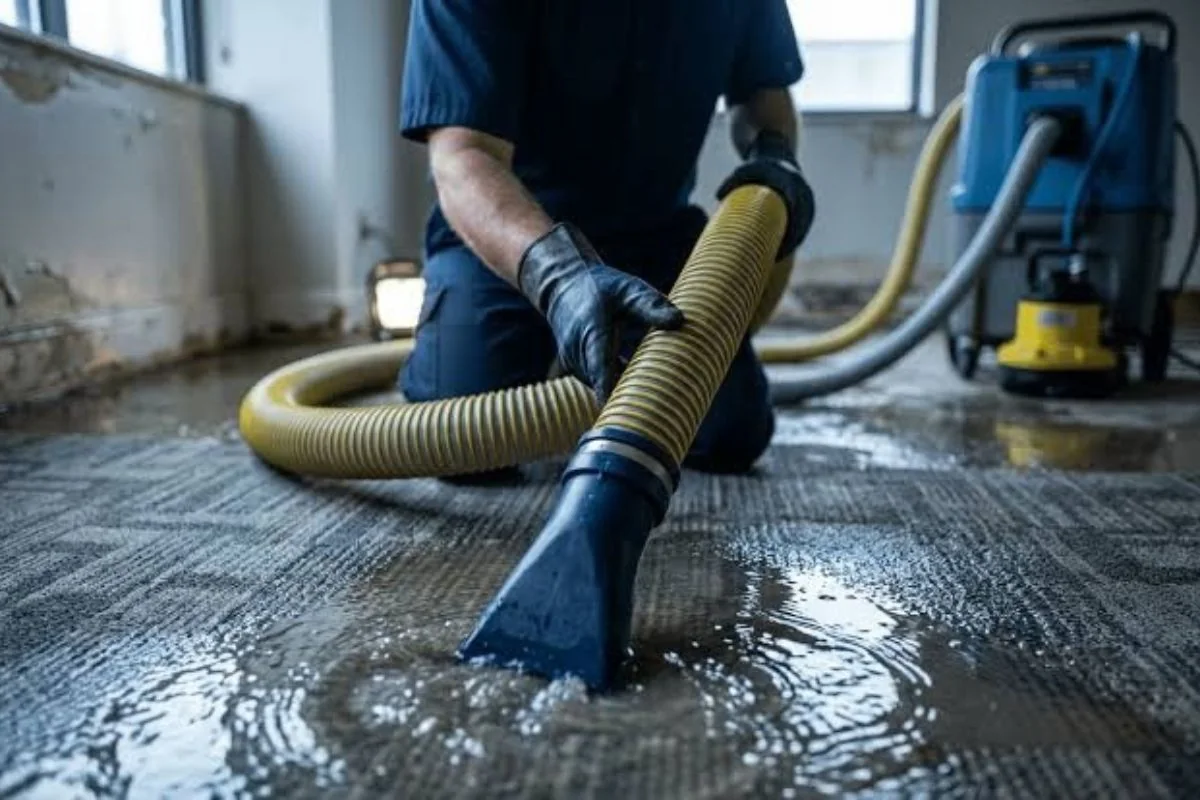
Mitigation is the first 24 to 48 hours: stop the spread, remove standing water and protect what can be saved. Call the 24/7 line the moment water is inside.
- 24/7 emergency line
- Stop the spread
- Extraction and protection
- Start drying fast
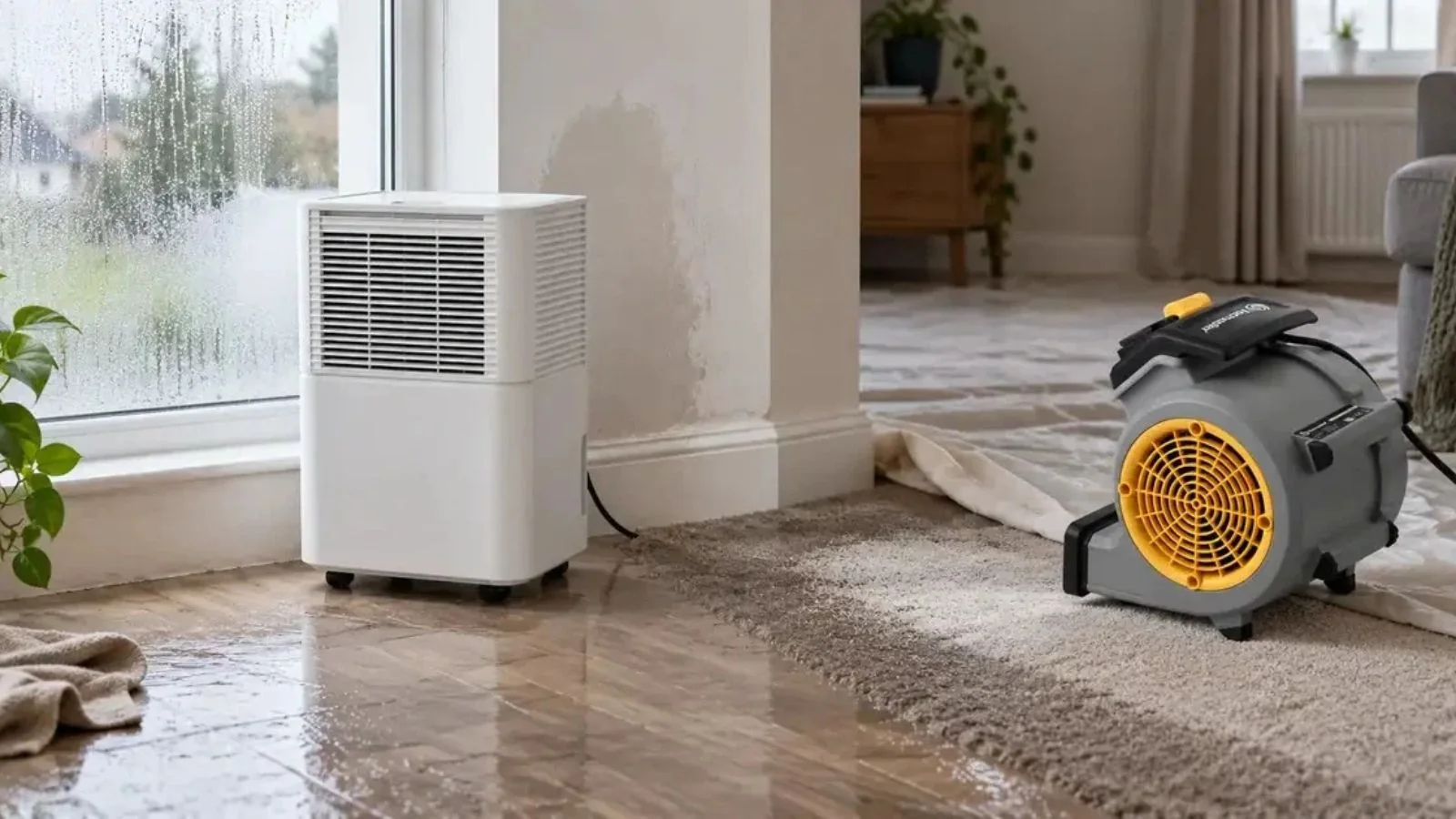
What water mitigation means
Water mitigation is the emergency stage of water damage work. The goal is to stop the damage from growing: shut off or contain the source, pull out standing water, move or protect contents, and start drying before materials swell, warp or grow mold.
Repair of the source follows the International Plumbing Code (IPC), and restoration comes after. It is the repair and rebuild of whatever mitigation could not save, and it is covered on the page for water damage restoration. Mitigation is the part that cannot wait for an appointment.
What happens in the first 48 hours
| When | What happens | What it protects |
|---|---|---|
| First hour | Source stopped, power hazards checked, standing water extraction begins | Floors, subfloor and contents |
| Hours 1 to 6 | Wet contents moved, wet carpet padding and loose materials removed, drying equipment placed | Drywall, baseboards and cabinets |
| Hours 6 to 24 | Moisture readings taken, equipment adjusted, hidden pockets located | Structure and insulation |
| Hours 24 to 48 | Readings checked again, damaged materials that cannot be dried are removed | Prevents mold from starting |
The EPA advises drying wet materials within 24 to 48 hours to keep mold from starting, which is why mitigation is measured in hours and not days. Wet drywall, carpet pad and insulation are the materials that need attention first.
Water still spreading?
Call now and say which rooms are wet.
What to do before help arrives
- Stop the source if you can: close the main shutoff for a plumbing leak.
- Keep out of any room where water has reached outlets, cords or the panel.
- Lift furniture, rugs and electronics clear of the wet floor.
- Take photos and video of the damage before anything is moved.
- Leave cabinet and closet doors open so air reaches wet walls.
- Do not run household vacuums or ceiling fans over wet surfaces.
Where mitigation calls come from in Windsor
Burst pipes in winter, water heater failures in basements, sewer backups, and failed sump pumps during spring runoff are the common sources. Windsor's flood insurance study ties major flooding in the Cache la Poudre valley to heavy local rain combined with snowmelt, which is also when basements take on groundwater.
Basements make mitigation more urgent. Water that reaches a finished basement wicks into drywall and carpet within hours, and it collects at the lowest point. A failed sump pump is the usual culprit when groundwater is the source.
What affects the cost of mitigation
Mitigation is priced by the size of the affected area, the water category and the equipment days. Clean water from a supply line costs less to handle than sewage.
Sudden and accidental water damage is commonly covered by homeowner policies, while flood and gradual leaks commonly are not. Call your insurer early and ask what documentation it wants.
Water mitigation questions from Windsor homeowners
Mitigation is the emergency work to stop the damage from spreading and start drying. Restoration is the repair and rebuild that follows, and both may be needed after a loss.
As soon as water is inside. Mitigation works best in the first 24 to 48 hours, before materials swell and mold begins.
Mitigation stops the water spreading, and fixing the source is a plumbing repair. If a pipe is leaking, the repair goes through burst pipe repair, which has its own phone line listed on that page.
Many policies cover reasonable emergency steps after a covered loss. Keep receipts, photograph everything, and ask your agent what they require.
Yes. The line is answered around the clock, because the first hours decide how much can be saved.
Yes, including Severance, Johnstown, Milliken and Greeley. Each has its own page.