Gas Line Installation & Repair in Windsor, CO
Gas lines for ranges, dryers, water heaters, grills and fire pits, plus repairs to existing piping. Every job is sized, permitted and pressure-tested before gas is turned on.
- Appliance hookups
- Outdoor grill and fire pit lines
- Pressure testing
- Permit guidance
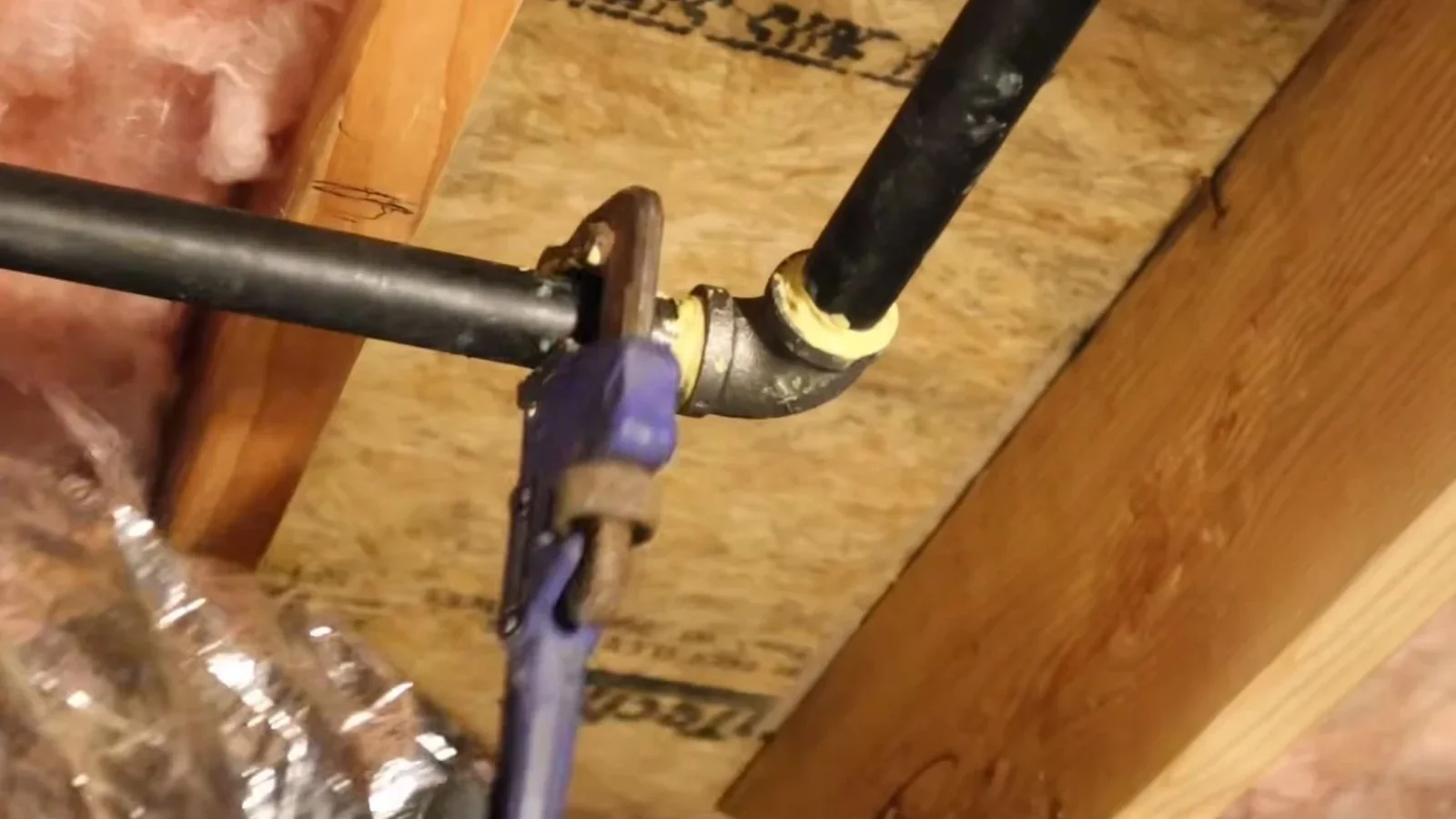
If you smell gas, do this before anything else
Natural gas has an added odor that smells like rotten eggs. A gas smell is never a wait-for-the-weekend problem, and it is the one case where the plumber is the second call and not the first.
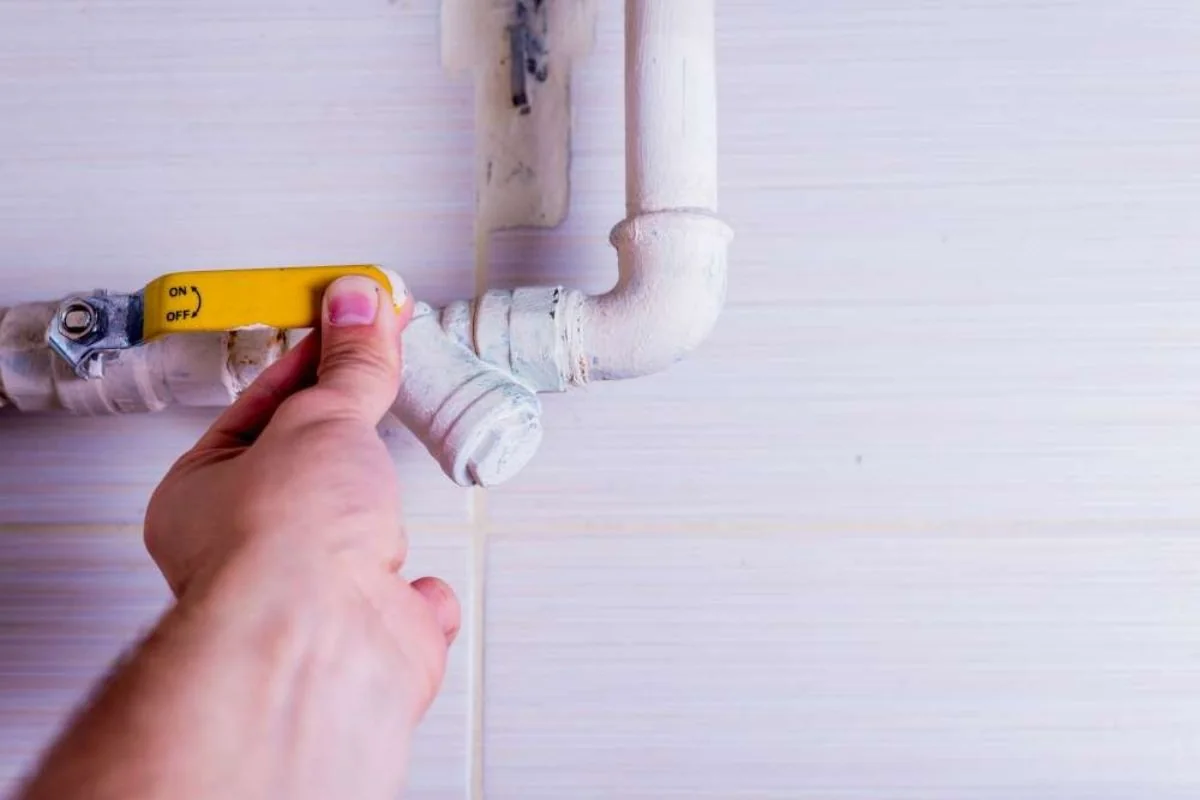
- Leave the house immediately with everyone, including pets.
- Do not flip light switches, use a lighter, or start a car in the garage.
- Call 911 and your gas utility from outside or a neighbor's house.
- Do not re-enter until the utility says it is safe.
- Call a plumber for repairs only after the utility clears the leak.
What gas line work covers
Gas line installation runs new piping from the meter or an existing branch to an appliance, sized for the appliance's load and the length of the run. Repair fixes leaks, damaged sections and old connections. Either way, the work ends with a pressure test and a leak check before gas is turned on.
Common projects are kitchen ranges, clothes dryers, outdoor grills, fire pits and patio heaters, and water heaters, including the conversion from a tank to a tankless unit that needs a larger line, covered under tankless water heater service. Each of these needs its own pipe size, which is worked out from the appliance load and the length of the run.
Gas piping materials and where each is used
| Material | Typical use | Key rule |
|---|---|---|
| Black iron pipe | Indoor main runs and appliance branches | Threaded joints, sealed with gas-rated compound, tested before use |
| CSST (flexible stainless tubing) | Retrofit runs through framing | Must be bonded to the electrical system, per the manufacturer and code |
| Coated copper or approved plastic | Underground outdoor runs where code allows | Depth, tracer wire and material approvals matter |
| Flexible appliance connectors | The last few feet to a range or dryer | Approved for the appliance, never run through walls |
Installers follow the International Fuel Gas Code (IFGC) and the Town's adopted codes, and CSST bonding follows the National Electrical Code (NEC) and the manufacturer's instructions. A job that does not pass inspection is not finished.
Planning a gas line?
Call with the appliance and the location for a written scope.
What a gas line installation involves
- 1
Size the line
Appliance load in BTUs, the length of the run and the existing supply determine pipe size.
- 2
Permit
The Town of Windsor requires a building permit to install or move plumbing, and gas piping is part of that review. Ask whether a plan is needed.
- 3
Locate underground utilities
Colorado requires a call to 811 at least two business days before digging for an outdoor run.
- 4
Install and support
Piping is run, supported and, for CSST, bonded. A shutoff valve and a sediment trap are added at the appliance.
- 5
Test and inspect
The line is pressure-tested and checked for leaks, then inspected before gas is turned on.
Gas line details that matter in Windsor
Windsor sits at about 4,800 feet. Gas appliances need to be set up for altitude per the manufacturer, and orifice or settings changes are the installer's job, not an afterthought. A new range or tankless heater installed with sea-level settings can burn poorly.
Many Windsor homes have an outdoor kitchen or fire pit in the backyard. A buried line there needs the right material, depth and locates, and it is a separate scope from a kitchen range. Hookups near a water heater often tie into water heater installation and replacement planning.
What drives the price of gas line work
A short extension to a range costs less than a long buried run to a fire pit. The price is explained before work starts.
Insurance rarely covers gas line upgrades, though damage from a sudden gas incident may be covered. Keep the permit and inspection paperwork for your records.
Gas line questions from Windsor homeowners
The Town requires a building permit to install or move plumbing, and gas piping is part of that. Call the Town's permit technician at 970-674-2436 to confirm what applies.
Colorado allows homeowners to do some plumbing work on a home they occupy, but gas work has real safety risks and inspection requirements. Most homeowners hire it out.
The odor, hissing at a connection, dead vegetation over a buried line, or a gas meter that moves with appliances off are signs. If you smell gas, leave first and call 911.
Sometimes. A tankless water heater or a large range draws far more than an old tank heater, so line size is checked before the install.
Yes, with the right material and depth for an outdoor run. Locates, a permit and a pressure test apply.
Yes, including Milliken, Severance, Johnstown and Greeley. Each has its own page.
Gas line work in Windsor
Get the run sized, permitted and tested before gas is turned on.
☎ (970) 708-6013