Emergency Sump Pump Repair & Installation in Windsor, CO
Water in the sump pit, a pump that will not start, or a basement taking on water in a storm? Call any hour. Pumps are repaired, replaced or installed, and the price is explained first.
- 24/7 emergency line
- Pump repair and replacement
- Battery backup
- New pit installation
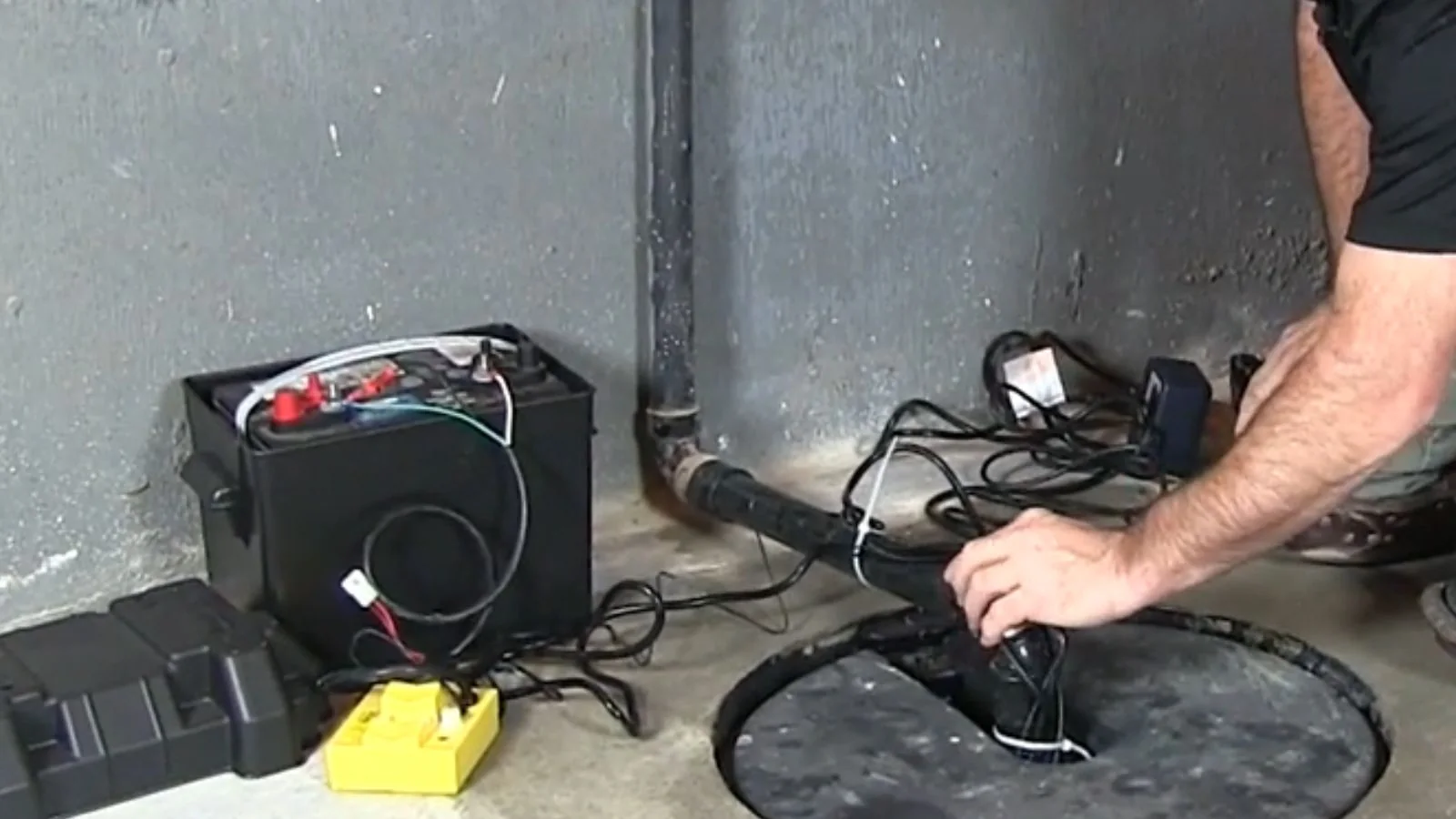
The pit is full, the pump runs nonstop, or it will not turn on
A sump pump failure is an emergency when it happens during a storm or snowmelt, because water rises in the pit and then in the basement. The pump may be dead, jammed with debris, stuck on its float, or simply without power. Each has a different fix.
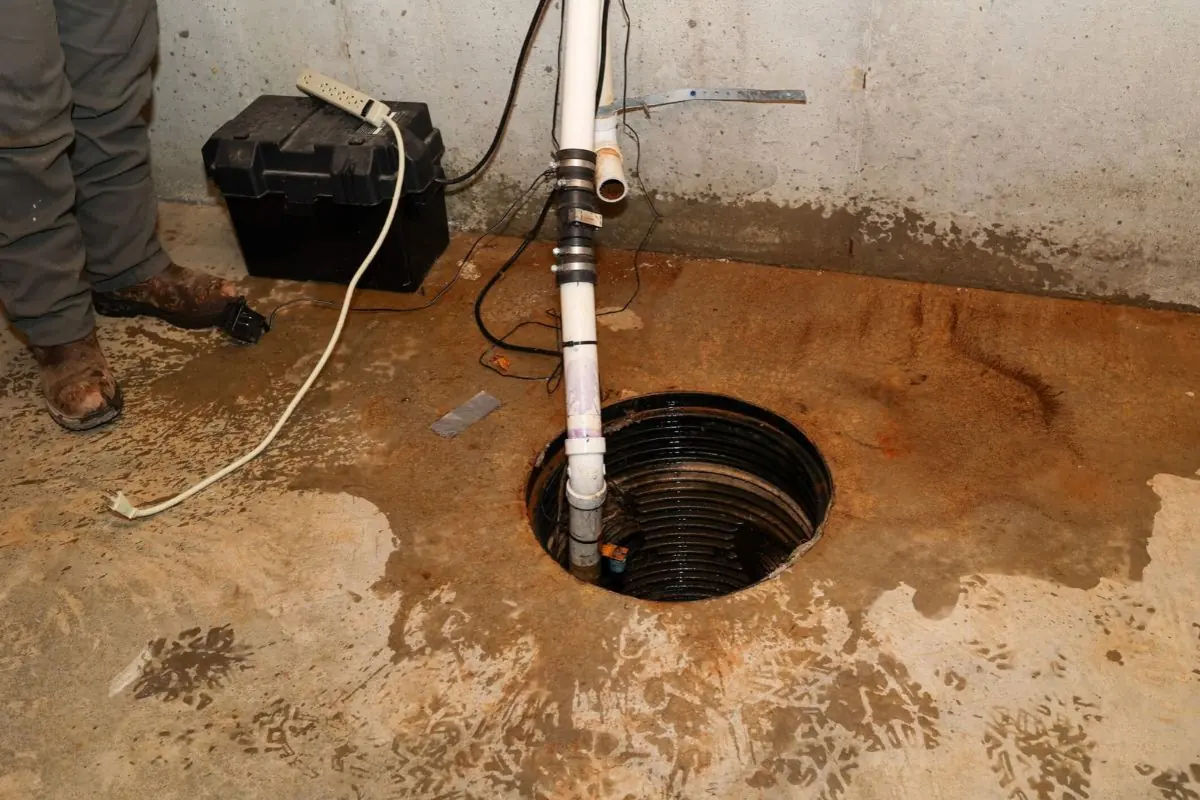
Sump pump installation and repair covers the pump, the float switch, the check valve and the discharge line that carries water outside. A sump pump sits in a pit below the basement floor and moves groundwater that collects there away from the foundation.
What common sump pump problems mean
| Symptom | Usual cause | Typical fix |
|---|---|---|
| Pit full, pump silent | Power outage, tripped breaker, dead motor or stuck float | Check power, then the float, then replace the pump if the motor is dead |
| Pump runs constantly | Stuck float, failed check valve or a very high water table | Free the float and test the check valve, then look at capacity |
| Pump cycles on and off rapidly | Check valve not holding, so water drains back into the pit | Replace the check valve |
| Pump runs but moves little water | Clogged intake or impeller, or a blocked or frozen discharge | Clear the intake and the discharge line |
| Loud grinding or rattling | Worn bearings or debris in the impeller | Replace the pump |
| Pump runs but the pit keeps filling | Pump undersized for the inflow | Compare capacity and consider a second pump |
Backup power is the gap that fails most households. Storms that raise groundwater are often the storms that knock out power, so a pump with no backup may stop when it is needed most. Basement moisture beyond the pit is a basement plumbing question.
Basement taking on water?
Call the 24/7 line and say whether the pit is full.
While water is rising in the basement
- Do not stand in water near the pump, its cord, outlets or the electrical panel.
- If water has reached outlets or the panel, stay out and call your electric utility or an electrician.
- Move belongings and stored items up off the floor.
- Do not use a household vacuum on standing water.
- Clear leaves and debris from the discharge outlet outside, if you can do it safely.
- Photograph the water level and damage for your insurer.
Battery and water-powered backups compared
| Backup type | How it works | Trade-off |
|---|---|---|
| Battery backup pump | A second pump runs on a battery when power fails | The battery lasts a limited time and needs replacing periodically |
| Water-powered backup | Household water pressure drives a backup pump | Needs municipal water pressure and uses water to move water |
| Generator | Powers the primary pump through an outage | Must be running and connected to the pump circuit |
Where sump pump water is allowed to go in Windsor
Windsor Municipal Code section 7-2-50 says no water may be discharged from a sump pump so that it drains onto or across any driveway, sidewalk, curb, gutter or street. That rules out the common shortcut of pointing the discharge at the street.
Section 13-1-50 separately bars groundwater, roof runoff and subsurface drainage from any sanitary sewer, and the code forbids connecting exterior foundation drains or areaway drains to a building sewer or drain that connects to the sanitary sewer. The discharge needs a lawful outlet, such as the yard away from the foundation, and the Town's engineering office at 970-674-2400 can say what is accepted at your address.
Groundwater is the other local factor. The Town's flood insurance study ties major flooding in the Poudre valley to intense local rain combined with snowmelt, and spring snowmelt and rain are when sump pumps work hardest.
Basement bathrooms add a different pump. The Town's sewer rules say that where a building drain is too low for gravity flow to the public sewer, the sewage must be lifted by an approved means. That is a sewage ejector pump, which is not a sump pump and must never be piped like one.
Windsor's sump calls come from places like Water Valley, the homes near Windsor Lake and Boardwalk Park, and the older blocks close to the Cache la Poudre River at Eastman Park. Ground sitting nearer to a lake or river can hold more water after a storm, so those basements are worth checking before the wet season.
What a new sump pump installation involves
- 1
Check the pit and the inflow
The pit size, its depth and how fast water arrives set the pump size.
- 2
Choose the pump
Submersible pumps sit in the pit and run quietly. Pedestal pumps sit above it and are easier to service. Common residential pumps run at about one-third to one-half horsepower.
- 3
Set the float and check valve
The float switch is placed so the pump starts before water reaches the slab, and a check valve stops water from draining back.
- 4
Route the discharge
The discharge line runs to a lawful outlet away from the foundation, and not across a sidewalk or onto the street.
- 5
Add backup power and test
A battery or water-powered backup is connected, and the system is tested by filling the pit.
What changes the price of sump pump work
A pump swap in an existing pit is the smallest job. A new pit, a longer discharge run or a backup system adds scope.
Standard homeowner policies commonly exclude water that backs up through sump pumps or drains unless an endorsement adds it. Check your policy before the wet season, and photograph the pit and pump now.
Sump pump questions from Windsor homeowners
Ten years is a commonly cited figure, and pumps that run often wear out sooner. An annual test, pouring water into the pit until the float lifts, shows whether it starts.
A high water table, a stuck float or a failed check valve are the usual causes. Snowmelt and lawn irrigation can keep groundwater high between storms.
No. Windsor's code bars groundwater from the sanitary sewer, and discharge across a sidewalk or street is also prohibited. The pump needs a lawful outlet, and the Town's engineering office can answer address-specific questions.
A sump pump handles groundwater. An ejector handles sewage from a basement bathroom, laundry or bar sink, and it is sealed so gases stay in. They are different machines, and mixing them up causes failures.
Yes. The line is answered 24/7, and a failed pump during a storm is treated as an emergency. Move belongings off the floor while you wait, and see water damage restoration if water has already spread.
Yes, including Milliken, Severance, Timnath and Greeley. Each has its own page.
Sump pump help in Windsor, any hour
Call when the pit is full, the pump is silent, or the storm is on its way.
☎ (970) 708-6013