Water Filtration Installation in Windsor, CO
For taste, chlorine odor and lead or contaminant concerns. The filter is matched to the problem, not sold as a one-size-fits-all system.
- Under-sink and RO systems
- Whole-home filters
- Matched to your concern
- Price before work starts
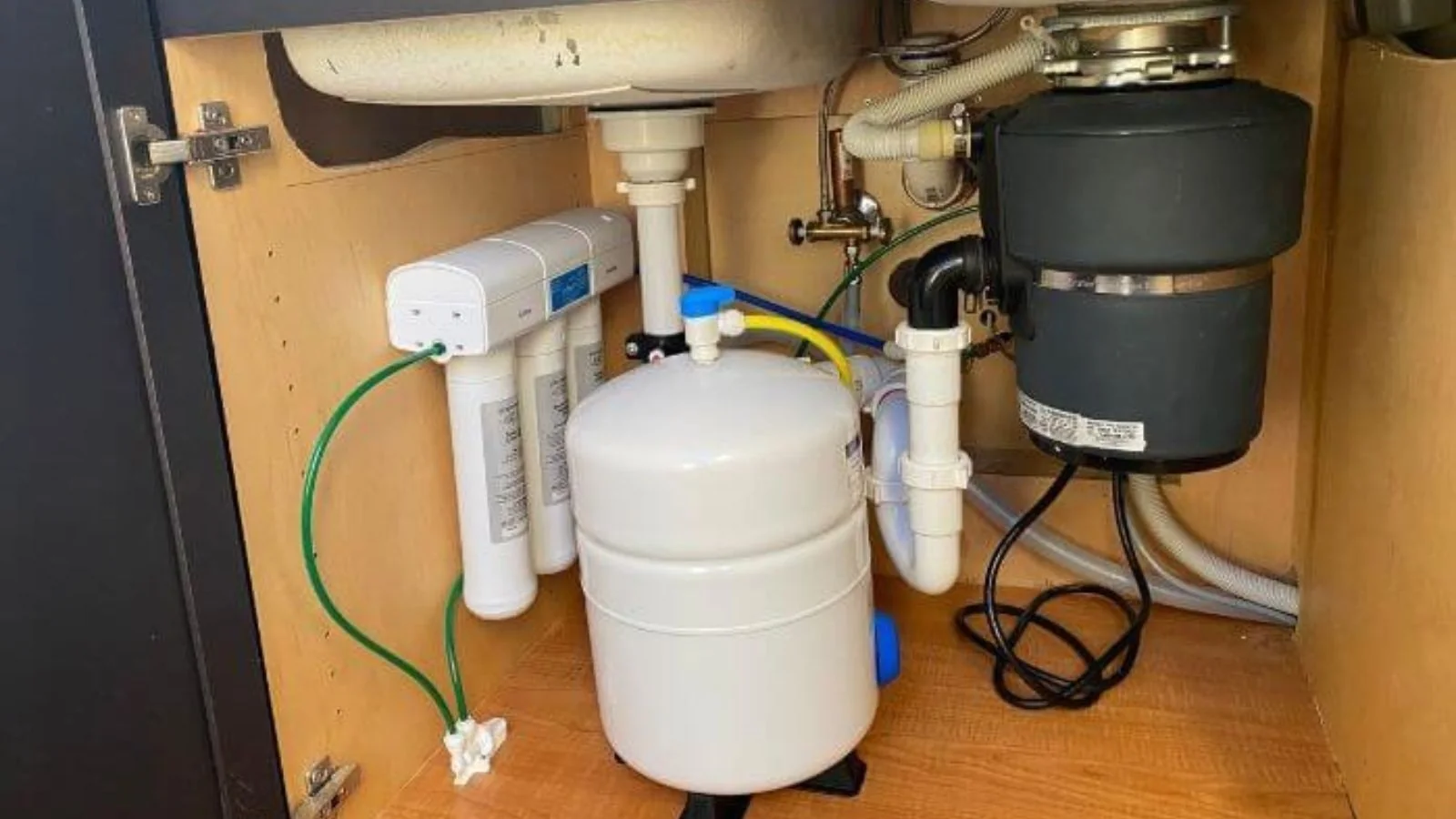
Taste, smell, cloudiness, or a worry about what is in the water
People look into filtration after noticing a chlorine smell, a metallic or earthy taste, cloudiness, or after reading a water quality report. Tap water in the area is regulated, and filtration is about matching a treatment to a specific concern, not a rescue from unsafe water.
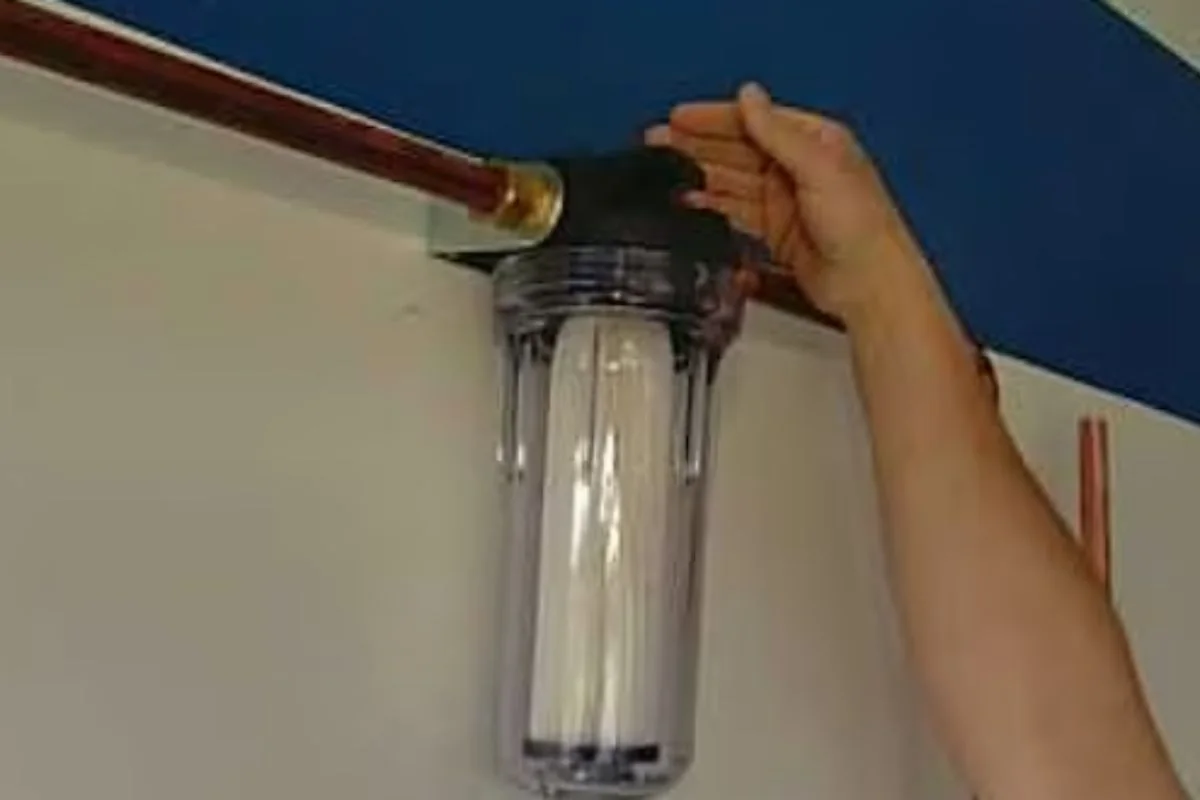
Water filtration installation means choosing and installing equipment for that concern: carbon for taste and chlorine, reverse osmosis for dissolved solids, a lead-certified filter for lead, and sediment filters for particles. The right match starts with a water test and a clear idea of what you want removed.
What the Town of Windsor's water report shows
| Item | Result reported | What it means for filtration |
|---|---|---|
| Lead, 90th percentile | 5.8 ppb against a 15 ppb action level | System-wide result was below the action level |
| Lead, sample range | 0 to 42.3 ppb, with 3 of 32 homes above 15 ppb | Individual homes can differ because lead comes from home plumbing and fixtures |
| Total trihalomethanes | 48.95 ppb average against an 80 ppb limit | Below the limit, and carbon filters reduce disinfection byproducts |
| Chlorine | Disinfectant residual maintained, no violation | Carbon filters remove taste and odor |
The Town's report notes that lead in drinking water comes mainly from service lines and home plumbing, and it offers a service line inventory through Public Works at 970-674-5400. A lead concern for one house is a home-plumbing question as well as a filter question.
Filter types and what each is for
Filters are only as good as their certification. NSF/ANSI 42 covers taste and chlorine, 53 covers health-related contaminants including lead, and 58 covers reverse osmosis. Match the standard to your concern, and replace cartridges on schedule.
Good for
- Under-sink carbon: taste, chlorine and some contaminants at one tap
- Reverse osmosis: dissolved solids, many kinds of contaminants, drinking water
- Whole-home carbon: chlorine for showers, laundry and every tap
- Sediment filter: particles and cloudiness
Limits
- Carbon does not remove dissolved minerals or hardness
- Reverse osmosis wastes water and needs drain space
- Whole-home units need maintenance and flow sizing
- No filter fixes a lead pipe, so replace the source
Which filter fits your concern?
Call and tell us the problem. We will match the system to it.
Why a local report matters more than an online claim
The Town of Windsor purchases water from other systems, about 30 percent from the City of Greeley and about 70 percent from Fort Collins-Loveland Water District and North Weld County Water District. Each supplier publishes its own water quality report, and the Town attaches theirs to its own. Read the report for your address, then pick a filter for what it actually lists.
Be wary of pages that quote alarming numbers for Windsor without citing a report. The Town's own report shows system-wide lead and byproduct results under their limits for 2024, so filters are an optional upgrade for taste, odor and personal preference. A hardness complaint is a different problem, covered under water softener installation and repair.
What a filtration installation involves
- 1
Identify the concern
Taste, odor, lead or sediment sets the filter type.
- 2
Check space and water pressure
Under-sink space, drain access and pressure decide what fits. Low pressure is worth a look at the supply piping first, covered under repiping.
- 3
Install the unit
Filter, shutoff and, for RO, a separate faucet and drain connection are installed.
- 4
Flush and test
New cartridges are flushed, leaks are checked, and flow is tested.
- 5
Set a schedule
Cartridge changes are scheduled to the manufacturer's interval.
What to do before choosing a filter for lead
- Read the water quality report for your provider and address.
- Look for the NSF/ANSI 53 mark, and read what it certifies.
- Use cold water for drinking and cooking, and run the tap if it has sat.
- Replace cartridges on the maker's schedule.
- Ask your provider about a service line inventory, since a filter does not remove a lead pipe.
What affects filtration cost
Cost follows system type and installation difficulty. The price is explained before equipment is ordered.
Insurance does not cover water treatment equipment. If a filter line fails and floods a cabinet, the water damage may be covered as a sudden loss.
Water filtration questions from Windsor homeowners
Public water systems are regulated, and the Town's 2025 report publishes 2024 results against state and federal limits. Its system-wide lead and disinfection byproduct figures were under those limits, as in the table above. Filtration is a choice for taste, odor or a specific concern.
A filter certified to NSF/ANSI 53 for lead, used exactly as directed. Also run cold water for a minute before drinking if the water has sat in the pipes.
Carbon filters do not. Reverse osmosis removes a large share of dissolved solids at one tap, and a softener is the tool for whole-home hardness.
Follow the manufacturer's interval, often every 6 to 12 months for under-sink carbon. An overdue cartridge can stop working or add taste.
Only if you want treated water at every tap or have a whole-house concern like chlorine in showers. Many households do well with a filter at the kitchen sink.
Yes, including Severance, Johnstown, Milliken and Greeley. Each has its own page.
Water filtration in Windsor
Match a certified filter to the concern you actually have.
☎ (970) 708-6013