Emergency Water Damage Restoration in Windsor, CO
Standing water and wet walls do damage by the hour. Call the 24/7 line for water extraction, structural drying and moisture checks in Windsor, Severance, Timnath and nearby towns.
- 24/7 emergency line
- Water extraction
- Structural drying
- Moisture readings
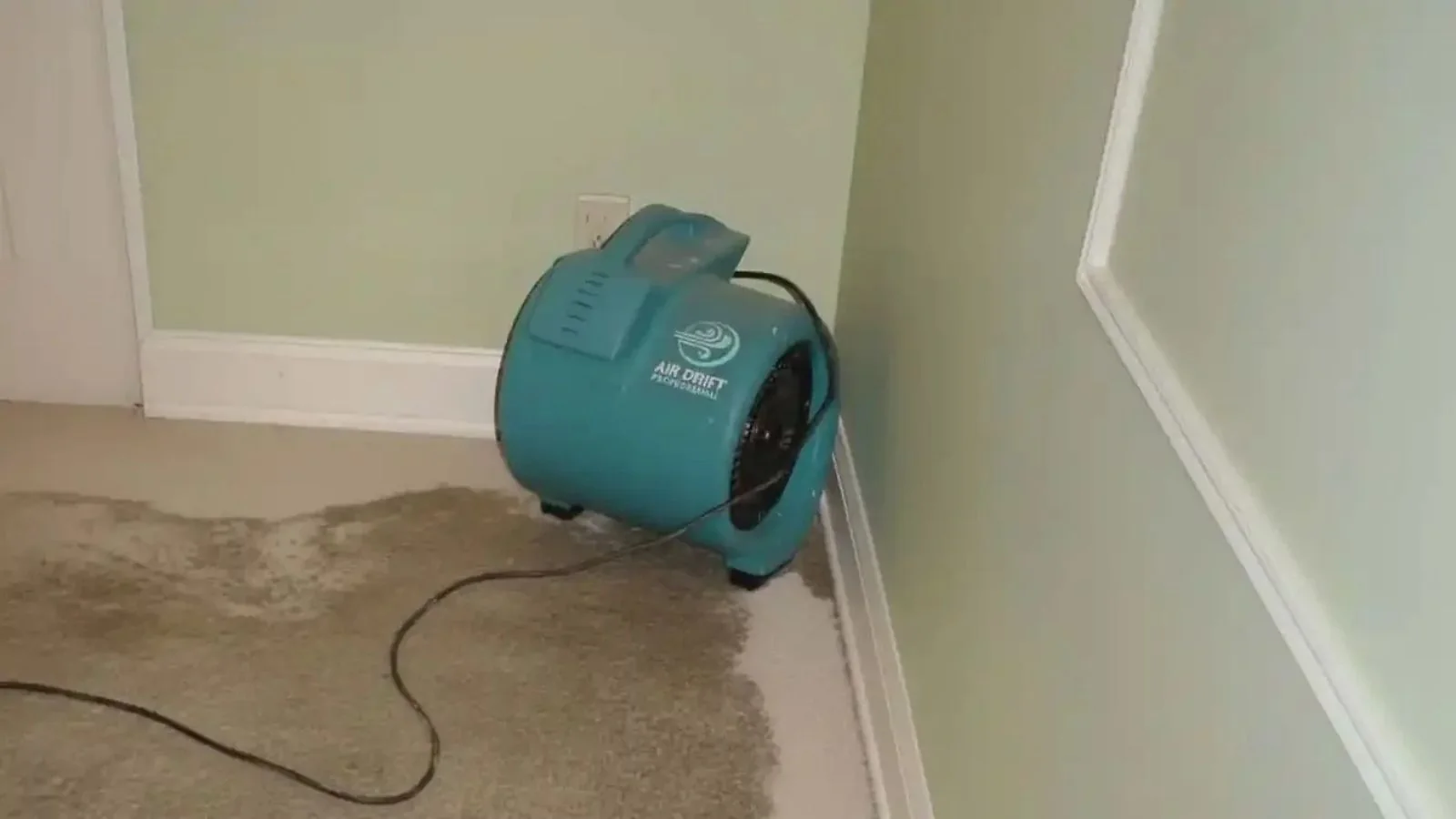
Water on the floor, stains on the ceiling, or a damp smell: what it means
Carpet that squishes underfoot, a ceiling stain that keeps growing, baseboards that swell, or water rising in a basement drain after heavy rain all point to the same job. The water has to come out, and the structure has to dry before anything is repaired or rebuilt.
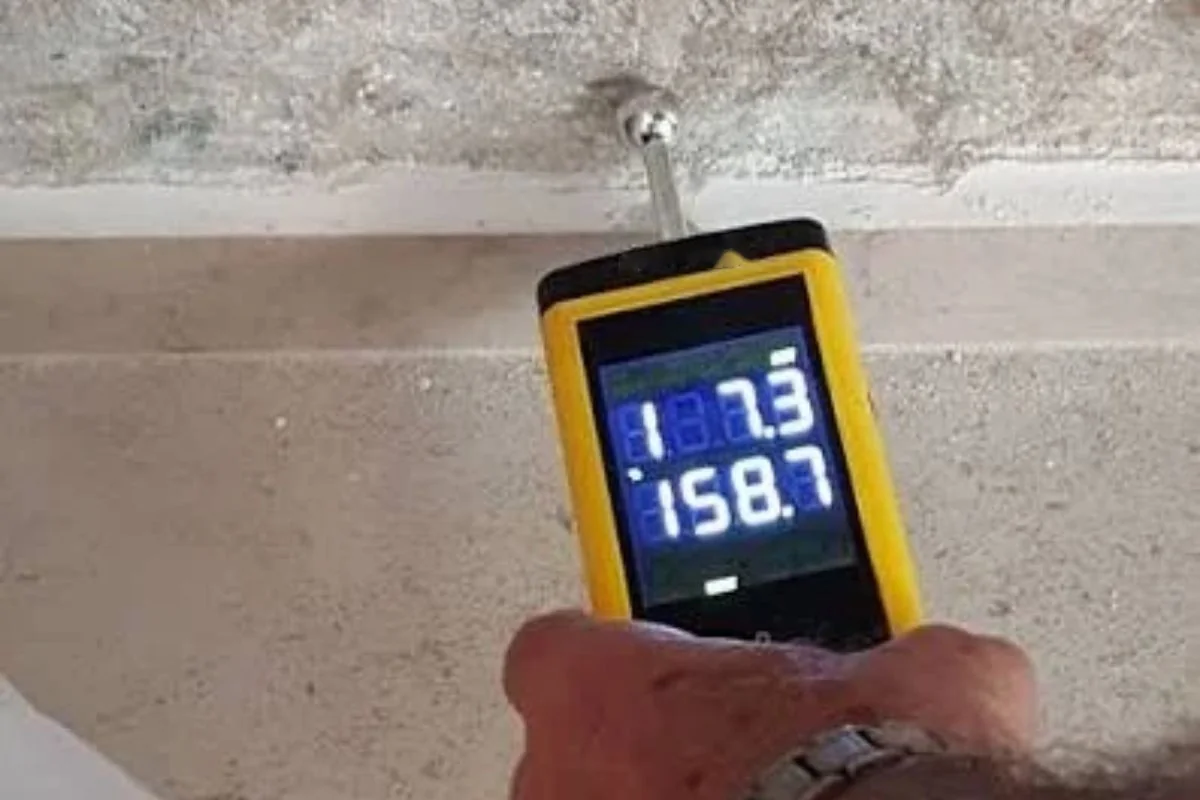
That job is water damage restoration: stopping the source, extracting standing water, drying wet materials, and checking moisture until readings return to normal. It is different from plumbing repair. If a supply line is still leaking, the leak gets fixed through burst pipe repair while drying begins.
Speed matters because wet drywall, insulation and subfloor can grow mold quickly. The EPA advises drying wet materials within 24 to 48 hours to keep mold from starting.
How the water source changes the job
The industry reference for this work is ANSI/IICRC S500, the standard for professional water damage restoration. It sorts water into three categories by contamination at the source, and the category sets the plan. Citing the standard describes how the trade works. When you hire anyone for this, ask whether their crews are trained to it.
| Category | Typical source in a Windsor home | What it changes |
|---|---|---|
| Category 1, clean water | A broken supply line, a leaking water heater, an overflowing sink | Fastest to dry. Many materials can be saved when drying starts early. |
| Category 2, gray water | Washing machine or dishwasher overflow, a failed sump pump | Carpet padding and other porous materials are often removed instead of dried. |
| Category 3, black water | Sewage backup, or river and flood water | Contaminated materials come out, and the area is cleaned and disinfected before rebuilding. |
A sewer backup is always treated as Category 3. The line also needs attention through sewer line repair or a camera inspection so the backup does not return.
Water spreading right now?
Call the 24/7 line and describe what you see.
What happens on a water damage call
The order of the work matters more than the equipment. Each step sets up the next one.
- 1
Stop the source
The main shutoff is closed or the broken fixture is isolated. Drying cannot succeed while water is still arriving.
- 2
Extract standing water
Pumps and wet vacuums remove what they can first, because every gallon left behind has to evaporate later.
- 3
Remove what cannot be saved
Saturated carpet padding and wet drywall near the floor often come out so the cavity behind them can dry.
- 4
Dry the structure
Air movers and dehumidifiers run while moisture readings are taken each visit, so drying is measured and not guessed.
- 5
Confirm and document
Final readings show materials are back to normal, and photos plus notes give your insurer a clear record.
Where the water goes after you stop seeing it
Water does not stay where it lands. It wicks up drywall, runs along floor joists and soaks into insulation, so the wet area is usually larger than the visible stain. A dry-looking wall can hold moisture behind the paint for days.
Moisture meters and thermal cameras are how hidden water is found. A meter reads moisture in wood and drywall, and a thermal camera shows cool, wet areas the eye cannot see. Readings are taken before drying starts and again at each visit, which is how a job is judged finished.
Basements make this harder. Finished basements often have drywall running down to the slab, so water collects at the base of the walls and in carpet padding, and bottom-plate wood can stay wet long after the surface feels dry.
Why Windsor homes take on water
Windsor winters put pipes in garages, crawl spaces and exterior walls at risk of splitting. The Town's 30-inch frost line only protects buried lines. A burst pipe found a few hours late can soak a basement ceiling and the finished space below it, and frozen pipe repair prevents the next one once the drying is done.
Heavy rain does it too. During the September 2013 floods, Windsor recorded about 4.8 inches of rain while Weld County was under a disaster declaration. The flood insurance study for the Town describes the Cache la Poudre valley as a small channel with wide floodplains, where major floods come from intense local rain combined with snowmelt.
That history matters for coverage. Standard homeowner policies usually exclude flood damage, and flood coverage is a separate policy. Flood insurance through the National Flood Insurance Program generally has a waiting period of about 30 days, so the time to ask your agent is before the storm.
Basements add a second risk. A sump pump that fails during a wet spring lets groundwater into the lowest level, and seepage from the ground is not clean water.
What to do in the first hour
- Close the main water shutoff if a pipe is the source.
- Stay out of rooms where water touches outlets, cords or the electrical panel.
- Move furniture, rugs and electronics off wet floors.
- Photograph and video the damage before moving anything else.
- Open cabinet doors and closet doors so air can reach wet walls.
- Skip household vacuums and ceiling fans on wet surfaces or wet ceilings.
- Keep damaged items until your insurance adjuster has seen them.
Documenting damage for a claim
Insurers want evidence of when the damage started and what it affected. Photos and video of the source and the wet areas, taken before anything is moved, carry the most weight. Keep receipts for emergency steps such as extraction and drying, since many policies expect reasonable steps to limit further damage.
Moisture readings and drying logs show that the work matched the loss, so ask for them in writing. If the cause was a pipe, the plumber's invoice naming the failed part helps show the damage was sudden.
Documentation carries the claim. A drying log records moisture readings, the equipment placed and the date each piece comes out, and photographs show conditions before and after. The standard behind it, ANSI/IICRC S500, sorts water into categories from clean supply water to sewage, and into classes by how much material is wet. Those labels tell an adjuster why one job needs far more equipment and time than another.
What decides the cost of water damage work
Restoration is priced by the size of the affected area, the water category, the materials involved and the number of drying days. A small Category 1 leak caught early costs far less than the same leak found after a weekend away.
Sudden and accidental events such as a burst pipe are commonly covered by homeowner policies. Floods and slow leaks commonly are not. Call your insurer early and ask what documentation it wants before work starts.
Water damage questions from Windsor homeowners
As soon as the source is stopped. The EPA advises drying wet materials within 24 to 48 hours to keep mold from starting, so a prompt call gives the best chance of saving drywall and flooring.
This service covers water removal and drying, which is how mold is prevented. Established mold growth is a separate remediation job and is scoped on its own.
Restoration and plumbing repair are separate jobs. If a pipe or fixture is still leaking, the repair goes through burst pipe repair, which has its own phone line listed on that page.
Sudden and accidental water, such as a burst pipe or a failed water heater, is commonly covered. Flood and gradual leaks are commonly excluded. Your policy and your agent decide, so ask before work begins.
Yes. The line is answered 24/7, including holidays, because water damage gets worse by the hour.
Yes, along with Johnstown and Milliken. Severance and the other towns each have a page, and the same 24/7 number reaches all of them.
Water damage help in Windsor, any hour
Call the 24/7 line and start the drying clock sooner.
☎ (833) 521-1033