Leak Detection in Windsor, CO
A meter that keeps turning, a bill that jumped, or a warm patch on the floor all mean water is escaping. Hidden leaks are located first and opened up only where needed.
- Acoustic and thermal tools
- Meter and pressure tests
- Minimal demolition
- Price before work starts
A bill that jumped, a meter that will not stop, a stain with no obvious source
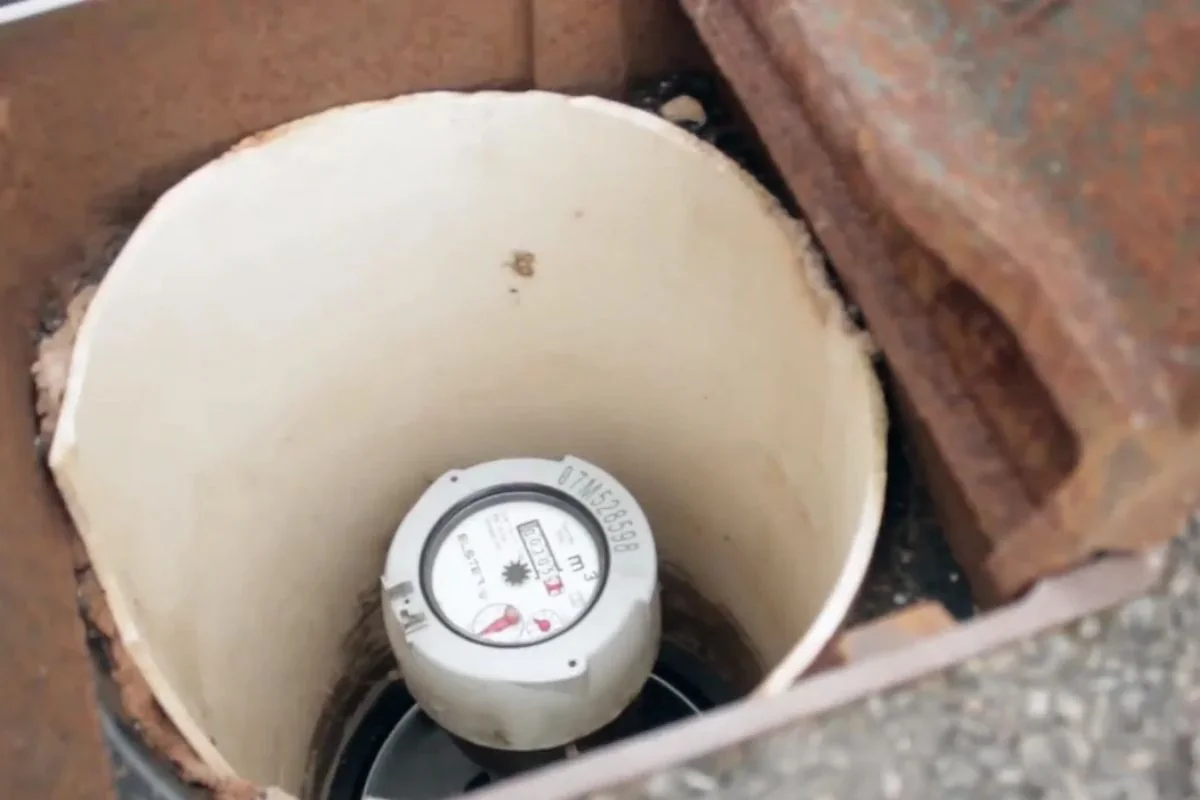
Most hidden leaks announce themselves indirectly. The water bill rises with no change in habits, the meter dial moves while every fixture is off, a floor feels warm, a wall sounds hollow, or a musty smell appears in a room with no visible water. Water pressure that drops without explanation is another clue.
Leak detection is the work of finding where the water is going before anyone cuts into drywall or concrete. It combines tests that confirm a leak exists with tools that pinpoint it, so the repair, covered under burst pipe repair or a smaller fix, targets one spot instead of a whole wall.
How a leak gets located, step by step
| Tool or test | What it does | Best for |
|---|---|---|
| Meter test | Shows whether water moves through the meter with every fixture off | Confirming a leak exists |
| Pressure test | Isolates the supply line and watches for a pressure drop | Telling a supply leak from a drain leak |
| Acoustic listening | Microphones hear the hiss of pressurized water through pipe and floor | Pinpointing a supply leak in a slab or wall |
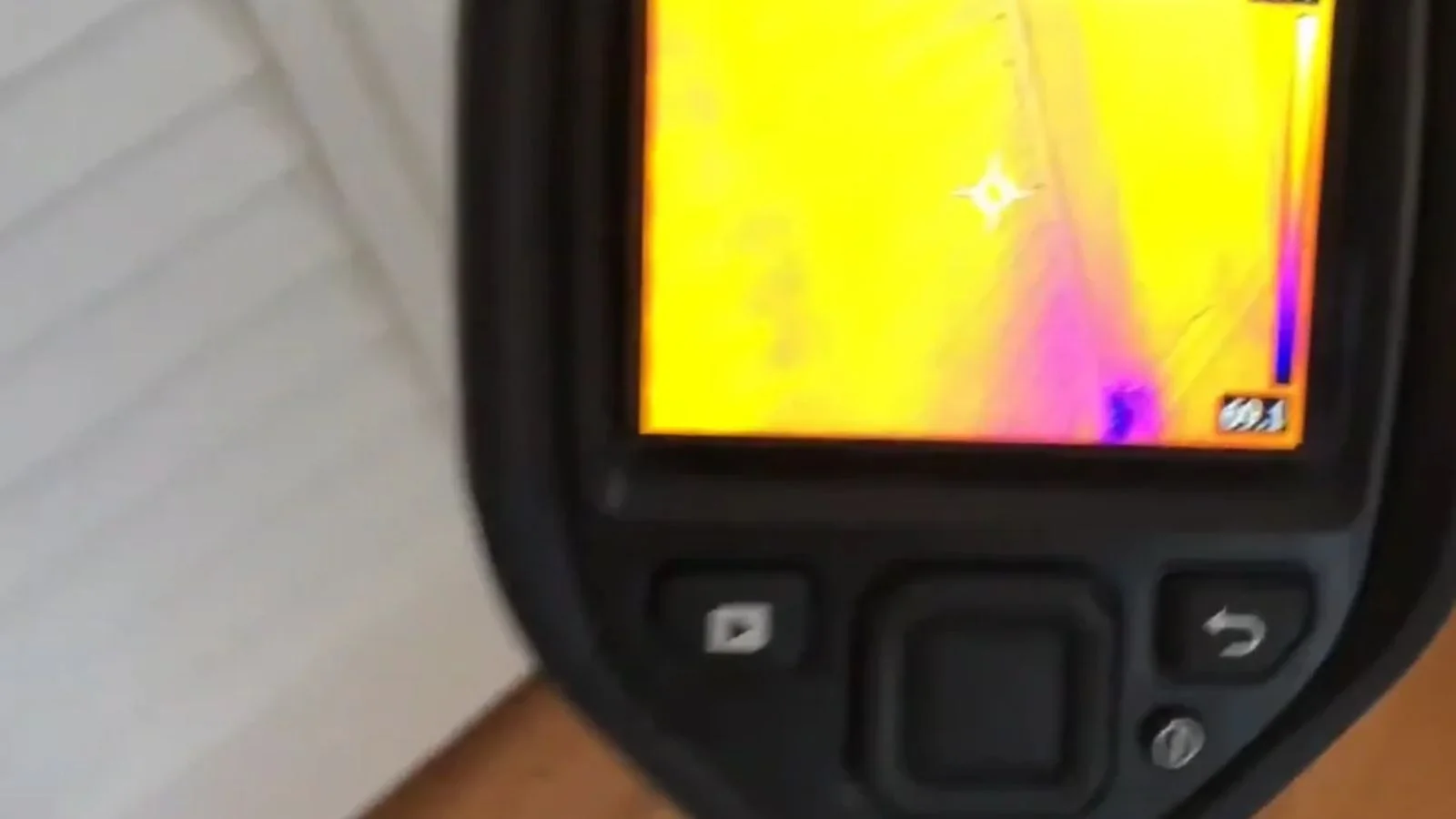
| Thermal imaging | A camera shows temperature differences from wet or hot-water-affected areas | Hot water leaks and wet insulation |
| Moisture meter | Reads moisture in drywall, wood and flooring | Mapping how far water has spread |
| Tracer gas | A harmless gas mix is pushed into the line and sniffed at the surface | Leaks that sound and thermal tools cannot settle |
No single tool settles every case. Detection usually starts with the meter and pressure tests, then adds acoustic and thermal tools until the location is clear. The pressure test follows the same idea the International Plumbing Code (IPC) uses to prove new water piping: hold working pressure, or 50 psi, for 15 minutes and watch the gauge.
Where hidden leaks usually turn out to be
Roughly the same short list of suspects accounts for most calls. Starting with the cheapest to check saves money before any equipment is brought in.
| Source | How it shows up | How it is confirmed |
|---|---|---|
| Toilet flapper or fill valve | Quiet running, a higher bill, no visible water | Dye test in the tank |
| Supply line inside a wall | Damp drywall, stains, a musty smell | Moisture meter and acoustic listening |
| Water heater connections or relief valve | Puddle or rust at the base, hissing | Visual check and temperature scan |
| Irrigation line or valve | Soggy lawn, a summer bill spike | Zone-by-zone pressure test |
| Service line, meter to house | Wet ground, sinking soil, meter moving with the house off | Meter test with the main shutoff closed |
| Slab or under-floor line | Warm floor spots, running sounds | Acoustic and thermal location |
Meter spinning with everything off?
Call and describe what the meter and the damp areas are doing.
What happens on a leak detection visit
Detection ends with information. What happens next is your decision.
- 1
Talk through the symptoms
Bill history, damp spots, sounds and recent plumbing work narrow where to start.
- 2
Confirm the leak
A meter test and a pressure test show whether water is escaping and whether it is on the supply or the drain side.
- 3
Narrow the location
Acoustic listening, thermal imaging and a moisture meter reduce the search to a small area.
- 4
Mark and explain
The leak location is marked, and the options are explained with an honest view of the repair and any restoration.
- 5
Quote the repair
The fix is quoted separately, so finding the leak never commits you to the repair.
Checks that rule out the easy leaks before anyone is called
- Read the meter, wait 30 minutes with no water in use, and read it again.
- Look for a leak indicator on the meter, often a small triangle or dial that spins at low flow.
- Add a few drops of food coloring to each toilet tank, wait 15 minutes, and check the bowl for color.
- Check hose bibs, irrigation zones and the water heater relief valve discharge for steady dripping.
- Turn off the main shutoff. If the meter stops, the leak is inside the house, and if it keeps moving, it is on the line before the shutoff.
What a Windsor water bill can and cannot tell you
The Town of Windsor bills a base fee plus tiered consumption, and its water, sewer and stormwater rates rose on February 1, 2026 to fund wastewater and water line projects. A higher bill this year is not proof of a leak, so compare gallons used and not dollars, and check the usage line against last year's same month.
Which provider bills the house also matters. The Town serves Weld County addresses, Fort Collins-Loveland Water District serves Larimer County addresses, and North Weld County Water District serves Harmony Ridge and Alexander Estates. Each can tell you your usage pattern, and a steady overnight draw on that record points to a leak.
The meter is the dividing line. A leak between the meter and the house is on your side, and a leak in the street is the provider's, which is why the test with the main shutoff closed is worth doing. A confirmed line leak is a water line repair or replacement job.
A leak report is only useful if someone can act on it. It names the location, the depth, the pipe material and the likely cause, with photographs and the meter readings from before and after the test. A repair crew or an insurer can use that record, and it keeps the opening in a wall or slab as small as it can be.
Not every high reading is a leaking pipe. A running toilet, a stuck irrigation zone or a failed relief valve can all keep a meter turning, so those get ruled out first. Finding one of them early spares you the cost of tracing a leak that is not there, and it keeps repiping off the table until the pipe itself is shown to be the problem.
Leak checks are common in neighborhoods across Windsor, including Water Valley, RainDance and the older streets near Main Street. A reading at the meter with every fixture off is the first step, and it works the same in any of them.
What affects the price of leak detection
Detection is priced by scope. A quick meter and pressure test costs less than full acoustic and thermal work on a large home, and the price is explained before work starts.
Homeowner policies commonly cover water damage from a sudden leak and sometimes the cost of finding it, but not the pipe itself or long-term seepage. Ask your agent whether detection is covered before you file.
Leak detection questions from Windsor homeowners
A meter that moves with every fixture off is the clearest sign. A bill that rises with no change in use, a warm floor, a musty smell, and unexplained low pressure are the other common clues.
Usually. Acoustic listening, thermal imaging and moisture mapping narrow the leak to a small area, so any opening is small and targeted.
Many Windsor homes have basements, so leaks more often show up in basement walls, ceilings and garage or basement slabs. Slab leak work is covered separately under slab leak detection and repair.
Some policies cover the access cost to find a covered leak, and many do not. Check your policy and ask your agent before work begins.
Irrigation leaks are a common cause of high summer bills. Many newer subdivisions also have separate non-potable irrigation run by an HOA, and the Town does not switch those on or off, so confirm which system is leaking.
Yes, along with Severance, Milliken and Greeley. Timnath and the other towns each have a page, and the same 24/7 line reaches all of them.