Sewer Backup in Windsor, CO: What to Do First and Who to Call
Sewage in the lowest drain is an emergency, and the first hour decides how much damage you have. Here is the order of operations and how to work out whose line it is.
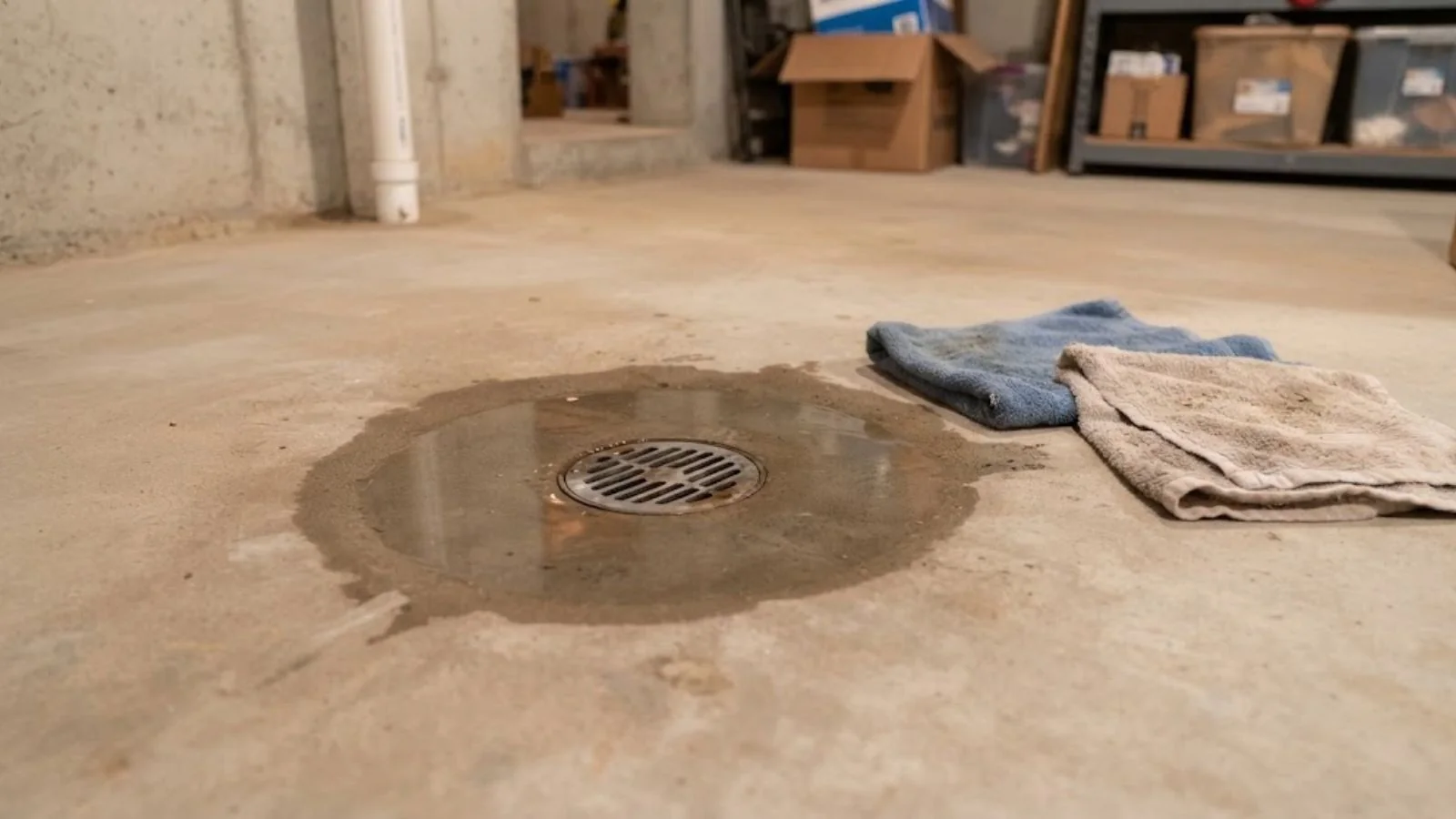
What to do right away
Sewage is contaminated water, and it is treated as such even when it looks clear. These steps limit exposure and damage while help is on the way.
- Stop using water everywhere in the house, including the washer, dishwasher and showers.
- Do not use chemical drain cleaners, which can damage pipe and are hazardous for whoever clears the line.
- Keep children and pets out of the area, and avoid contact with the sewage.
- Move belongings off the floor, and wear gloves and boots for any cleanup.
- Photograph everything before cleanup starts, for your insurer.
Your line or the Town's main
The Town of Windsor's wastewater page says owners are responsible for the sewer line extending from their property. The main under the street belongs to the utility. A backup that hits only your house points to your line. A backup that hits several neighbors at once points to the main, and Town Hall's number is 970-674-2400.
The Town also requires service providers to notify it when work is done in the sanitary sewer system, including plugged lines. That is a plumber's duty, but it is worth asking how the notice is handled. The Town provides wastewater service in the Weld County limits only, so on the Larimer County side the sewer arrangement can be different.
Reading the clues: main line or fixture
| Clue | What it suggests | Next step |
|---|---|---|
| Only the basement floor drain backs up | A blocked main on your property | Stop using water and call to have the main line cleared |
| Several fixtures slow or gurgling | A partial blockage in the main or a vent problem | Call, and avoid running water |
| Neighbors report the same thing | A problem in the Town main | Call Town Hall at 970-674-2400, then us for inside damage |
| Wet or sunken patch in the yard | A broken or collapsed sewer line | Call for a camera inspection |
| Backup only after heavy rain | Groundwater or storm water entering the system | Call, and check the sump and the cleanout |
What gets done once the line is open
A blockage is cleared with a cable or with high-pressure water, and a camera shows why it happened. Roots, grease, a belly in the pipe or a crack decide whether the answer is cleaning or repair. The first step is drain cleaning, and a line that clogs again within weeks points to sewer line repair.
Cleaning the water-damaged area is a separate job. Sewage is always treated as contaminated, so materials that touched it are removed and the area is disinfected before rebuilding.
What homeowner insurance usually does with a backup
Many homeowner policies exclude sewer and drain backup unless an endorsement adds it. Utilities in the area routinely advise owners to talk to their agent about backup coverage, since the owner is responsible for damage from a blockage in their own line. A call to the agent now costs less than an uncovered cleanup later.
Document the damage, save receipts, and ask what your insurer needs before cleanup. Photos taken before anything is moved carry the most weight.
Cleanup safety after sewage reaches the house
Sewage can carry bacteria and viruses, so cleanup is not a mop-and-bucket job. Porous materials that sewage soaked, such as carpet, padding and drywall near the floor, are generally removed and not saved. Hard surfaces are cleaned and disinfected.
Wear gloves, boots and eye protection, keep children and pets out, and wash up afterward. For anything larger than a small area, hiring a restoration team that follows the industry standard for contaminated water is the safer path. The standard for professional water damage restoration, ANSI/IICRC S500, treats sewage as the most contaminated category.
Reducing the chance of a repeat
- Flush only toilet paper. Wipes labeled flushable do not break down like paper.
- Keep grease out of the drain and pour it into a can.
- Do not plant trees or large shrubs over the sewer line.
- Have the line scoped by camera if it has backed up more than once.
- Keep the cleanout accessible and the cap tight.
- Ask your agent about a water backup endorsement.
Why a camera follows a backup
Clearing a blocked line fixes the symptom. A camera shows the cause: roots at a joint, grease coating the wall, a belly holding water, an offset or a crack. Without that, the next backup is only a matter of time.
A camera look takes minutes once the line is open, and it gives you a recording to compare against any repair quote. Backups in older lines that return within weeks almost always show something on camera.
If you rent
Tell your landlord right away and put it in writing. The lease usually decides who handles the repair, and the owner is generally responsible for the building's sewer line. Photograph your belongings, because renter's insurance may cover personal property damaged by a backup if the policy includes that coverage.
Newer towns have newer systems, older towns have older ones
In Severance, the Town runs its own water and sewer utilities, and the older parts of town have older lines. Windsor's older neighborhoods have mature trees, and roots are a common cause of repeat backups. If you have had two backups in a year, ask for a camera inspection and not a third cleaning.
Quick answers
Often not, unless you added a water backup endorsement. Check your policy and ask your agent.
It is usually a capped pipe near the foundation, in the basement or in a yard cleanout. Clear access to it before a technician arrives.
A plunger on a single fixture is fine. Skip chemical cleaners in a main line backup.
If sewage is on the floor, keep people out of that area and avoid contact. Large backups are better treated as a temporary move.