Plumbing Checklist for Newer Windsor, CO Homes (Built 2008+)
Newer homes do not have old pipes, but they do have setup details that decide how they age. Here are the ones worth checking.
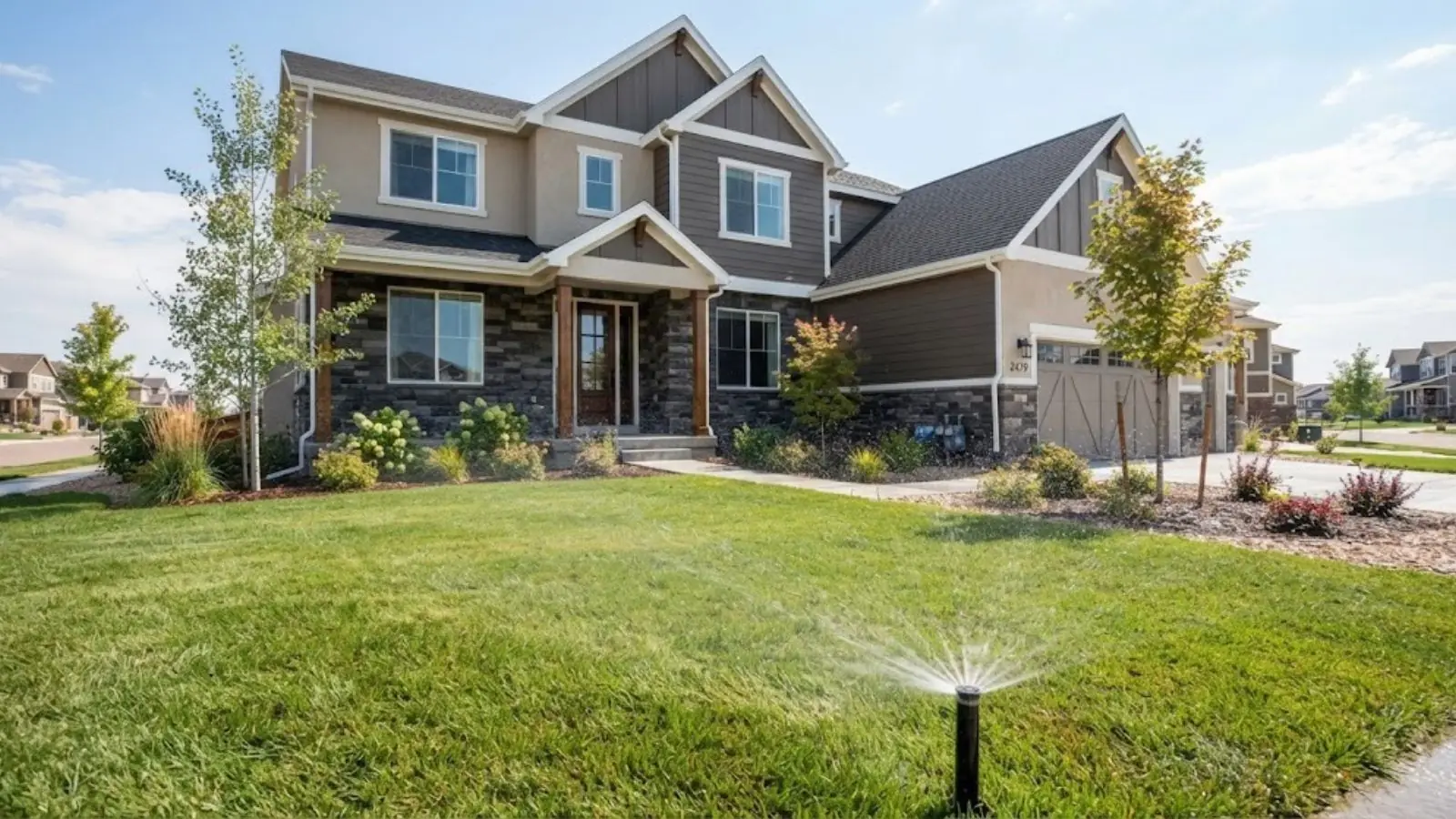
Why Windsor has so many newer homes
An EF3 tornado crossed Windsor on May 22, 2008, damaging about 850 homes, and the town has roughly doubled in population since. A large share of the housing stock is newer than the storm, and much of it was built in a short window of fast growth.
New homes bring their own checklist. The pipes are often modern plastic, and the usual problems are less about wear and more about how things were set up at the start.
What to check in a newer home's plumbing
| Item | What to check | Why it matters |
|---|---|---|
| Water pressure | Read it with a gauge on a hose bib | The International Plumbing Code caps static pressure at 80 psi, and high pressure shortens fixture and heater life |
| Water heater | Drain pan, expansion tank, relief valve discharge | Missing pieces cause leaks and pressure problems |
| Shutoff valves | Turn the main and fixture stops | Builder-grade valves stick or leak when first used |
| Hose bibs | Frost-proof type, hoses disconnected in winter | Freeze splits happen in newer homes too |
| Sump and discharge | Pump runs, backup exists, discharge is lawful | Basement water is a risk in river-valley areas |
| Sewer line | Camera inspection before closing | Construction sags and defects show up early |
| Irrigation backflow | Device present with a current test tag | Providers require yearly tests |
Details specific to this area
Windsor's code bars sump pump discharge across driveways, sidewalks, curbs and streets, so check that the discharge line goes to a lawful outlet. Many newer subdivisions also have a non-potable irrigation system run by an HOA, and the Town does not switch those on or off. Know which you have.
The Town buys its water from three suppliers, and the blend varies, so hardness and taste can differ from a neighboring subdivision. A water test before buying a softener is cheaper than assuming. Irrigation backflow devices in newer subdivisions are worth testing on a schedule, which is covered under backflow testing and prevention.
If you are buying
- Ask for the permit history on the water heater and any basement finishing.
- Order a sewer camera inspection, since it takes minutes and reveals sags and cracks.
- Test the main shutoff and every fixture stop at least once.
- Check the water heater age on its label, and plan replacement if it is near ten years.
- Look for stains on basement ceilings and under sinks.
Builder-grade parts that tend to fail first
Production builders choose parts for price and speed. Supply stops under sinks, toilet fill valves, hose bibs and kitchen faucets are the usual early failures. None is expensive, and none is a sign of a bad house. They are consumables that wear out sooner than the pipes behind the walls.
A walk-through with a flashlight and a dry paper towel in the first year, then every few years, finds weeping valves and slow drips before they stain a cabinet. Replace braided supply lines about every 5 to 10 years.
Why water pressure deserves a gauge
Pressure reducing valves cost little and fail quietly. A gauge on a hose bib reads static pressure in seconds. The International Plumbing Code limits it to 80 psi in a building, and a house sitting at 100 or more is stressing every fixture, hose and heater. A new valve is a small repair that can prevent a large one.
Pressure also explains hammering pipes and weeping fixtures in newer subdivisions on the district side of town. A gauge settles the question, and it takes less time than the debate.
A yearly plumbing check for a newer home
- Test the main shutoff and the sump pump.
- Flush a few gallons from the water heater drain.
- Check under every sink for dampness.
- Inspect hose bibs and disconnect hoses before winter.
- Read the pressure gauge and look at the pressure reducing valve.
- Confirm the irrigation backflow device was tested.
What a general home inspection may not cover
A standard inspection is visual and brief. It may not include a sewer camera, a pressure reading, a sump pump load test or the irrigation backflow device. If the report says plumbing is functional, ask which of those were checked.
Add the missing checks yourself or through a plumber. They take little time and sit in the gap between what an inspector is paid to look at and what costs money later.
Spring checks for hose bibs and irrigation
After winter, open each outdoor faucet slowly and check for a drip at the handle or inside the wall. Turn the irrigation on zone by zone and look at each head. In a subdivision with a shared non-potable system, the HOA starts the main, and you check your own zones.
When a checklist item needs a plumber
A failed relief valve or leaking heater is a job for water heater repair. A missing backflow tag is a job for a certified tester. Homes in fast-growing towns like Timnath share the same checklist. Treat it as routine maintenance for the first decade, and it will not turn into a repair list.
Quick answers
It is cheap insurance. Construction sags and poorly bedded pipe show up early, and a camera finds them before they are covered.
It can be, particularly when a pressure reducing valve is missing or set high. A gauge reading takes a minute.
It varies by contract and time. Read yours, and note that most warranties are short compared with the life of the house.
Storage tanks commonly last 10 to 15 years. Plan the replacement as it nears ten.
Moving into a newer home?
Call for a plumbing checkup before small setup problems become repairs.
☎ (970) 708-6013