Burst Pipe Insurance Claim in Colorado: What to Document
A burst pipe is usually a covered event, and a claim is only as good as its paperwork. Here is what to do and keep from the first hour.
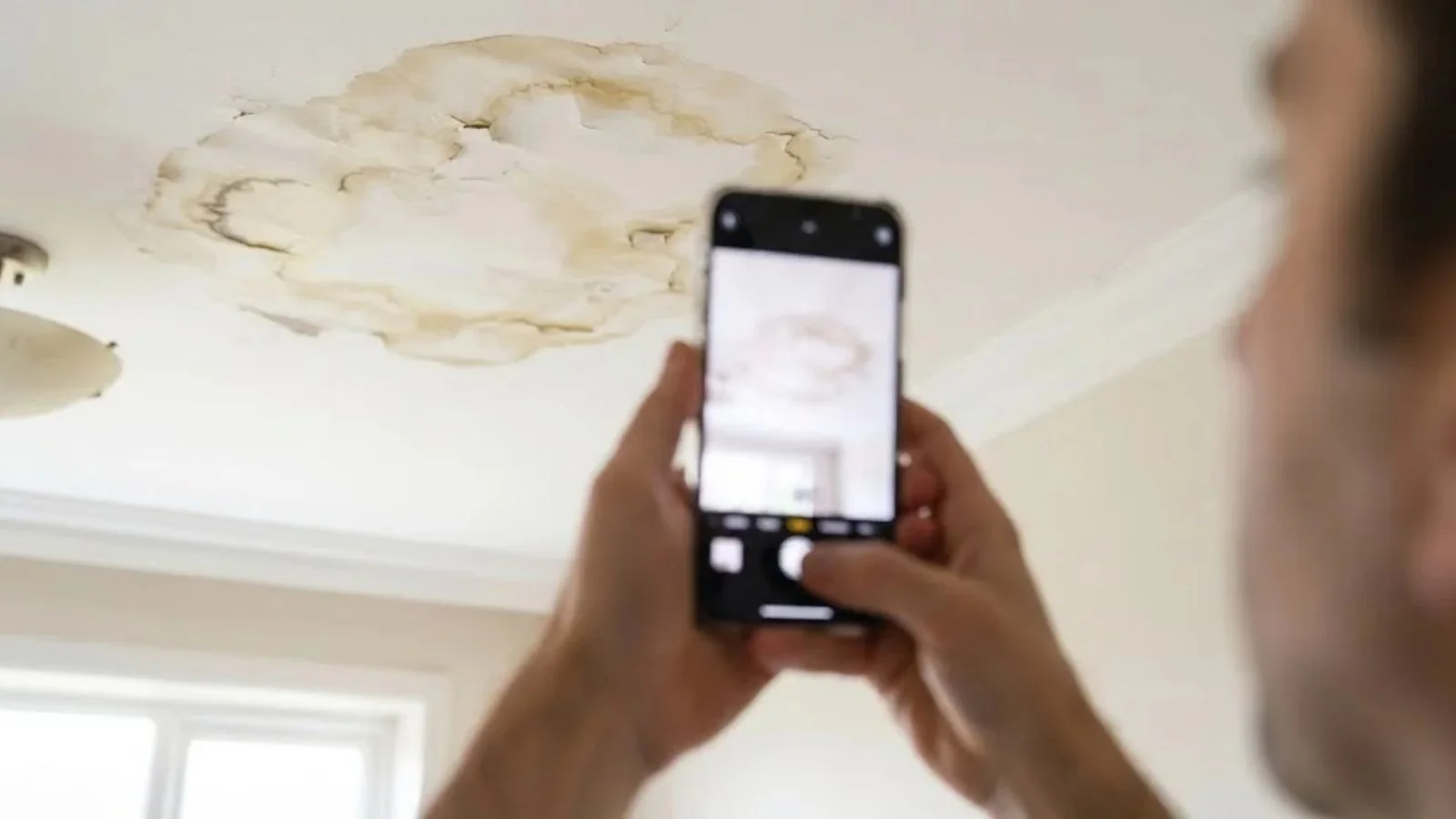
Sudden and accidental is the phrase that matters
Homeowner policies commonly distinguish sudden and accidental water damage, such as a burst pipe or a failed water heater, from gradual leaks and wear. The first is usually covered, and the second often is not. Policies differ, so the policy language and your agent decide any specific claim.
Insurers also expect reasonable steps to limit further damage. That means stopping the water, starting drying, and keeping receipts.
Common water events and how policies tend to treat them
| Event | Often covered? | Note |
|---|---|---|
| Sudden pipe burst | Usually yes, for resulting damage | The pipe itself is often the owner's cost |
| Freeze burst | Usually yes | Policies may expect the heat to have been kept on |
| Slow leak over months | Often no | Seepage and wear are commonly excluded |
| Sewer or drain backup | Often no without an endorsement | Ask about a water backup endorsement |
| Flood from rising water | No under standard homeowner policies | Flood is a separate policy, often with a waiting period |
| Water heater failure | Usually yes for damage, not the heater | Age and maintenance may matter |
What to document
- Photograph and video the source, the water and every affected room before moving things.
- Keep the failed pipe section, labeled, if it is easy to do so.
- Save the plumber's invoice and ask that it state the cause and the failed part.
- Keep receipts for emergency extraction, drying and repairs.
- Keep damaged items until the adjuster has seen them, and list them with ages and values.
- Write down dates, times and who you spoke to at the insurer.
Why drying paperwork matters
Moisture readings and drying logs show that water was dealt with properly. They also help show that the damage did not grow after the event. If the drying is done by a restoration company, ask for the readings in writing. The process is described on the page for water damage restoration.
Mold is the other reason to move fast. The EPA advises drying wet materials within 24 to 48 hours, and a claim that waits a week can be disputed over damage that grew.
Working with the adjuster
The adjuster inspects the damage and writes an estimate, and the estimate may differ from your contractor's. Show the adjuster everything, including the documents above and the plumber's note on cause. If the numbers differ, ask for the adjuster's line items so you can compare them to your contractor's quote.
Do not sign a release or accept a final payment until you understand the scope, and ask what covers hidden damage found during repairs. Supplements to a claim are common when drywall comes off and more is found.
Mitigation versus repair costs
Emergency steps such as extraction, drying and board-up are often reimbursed as part of the claim. Repairs and rebuilding follow once the adjuster approves a scope. Keeping the two sets of receipts apart helps both you and the insurer.
If you disagree with a decision, the Colorado Division of Insurance, which sits inside the Department of Regulatory Agencies, accepts consumer questions and complaints. Keep your records in order, and keep a log of every call.
A typical claim, step by step
| Stage | What happens | What you do |
|---|---|---|
| Day of the burst | Water is stopped, damage is photographed | Call a plumber, then your insurer, and keep receipts |
| First days | Drying equipment runs, readings are taken | Keep the drying logs and the equipment invoice |
| Adjuster visit | The insurer inspects and writes an estimate | Share your documents and the plumber's cause note |
| Estimate and payment | The insurer issues an estimate and a first payment | Compare it to your contractor's quote |
| Repairs | Rebuilding starts, hidden damage may surface | Ask for a supplement if more is found |
| Closeout | Final payment and any holdback is released | Keep the final paperwork |
If a claim is denied or underpaid
Ask for the denial in writing with the policy language it relies on. Compare it to your policy and your documents. The Colorado Division of Insurance takes consumer complaints, and a public adjuster or an attorney can review a disputed claim. Appraisal clauses in some policies provide a process for disagreements about amount.
A denial for a gradual leak is common when records suggest the damage was long-running. A plumber's note that the failure was sudden, with photos of the failed section, is the best counter.
The repair side of the claim
Stop the leak first through burst pipe repair, then handle the claim. A plumber's note describing the cause, the pipe type and the age of the failure gives the adjuster a clean picture of a sudden event and not a gradual leak.
Colorado homeowners with a dispute can contact the Colorado Division of Insurance, part of the Department of Regulatory Agencies. In fast-growing places like Timnath, many policies are new, so read the exclusions before you need them.
Quick answers
Often the damage is covered and the pipe itself is not. The wording of your policy decides.
Stop the water and call a plumber right away. Call the insurer soon after, since the policy may require prompt notice.
It can. Ask your agent how claims affect renewal before deciding on a small loss.
Documenting thoroughly lets you begin drying immediately. Ask the insurer what it needs, and do not wait for days.